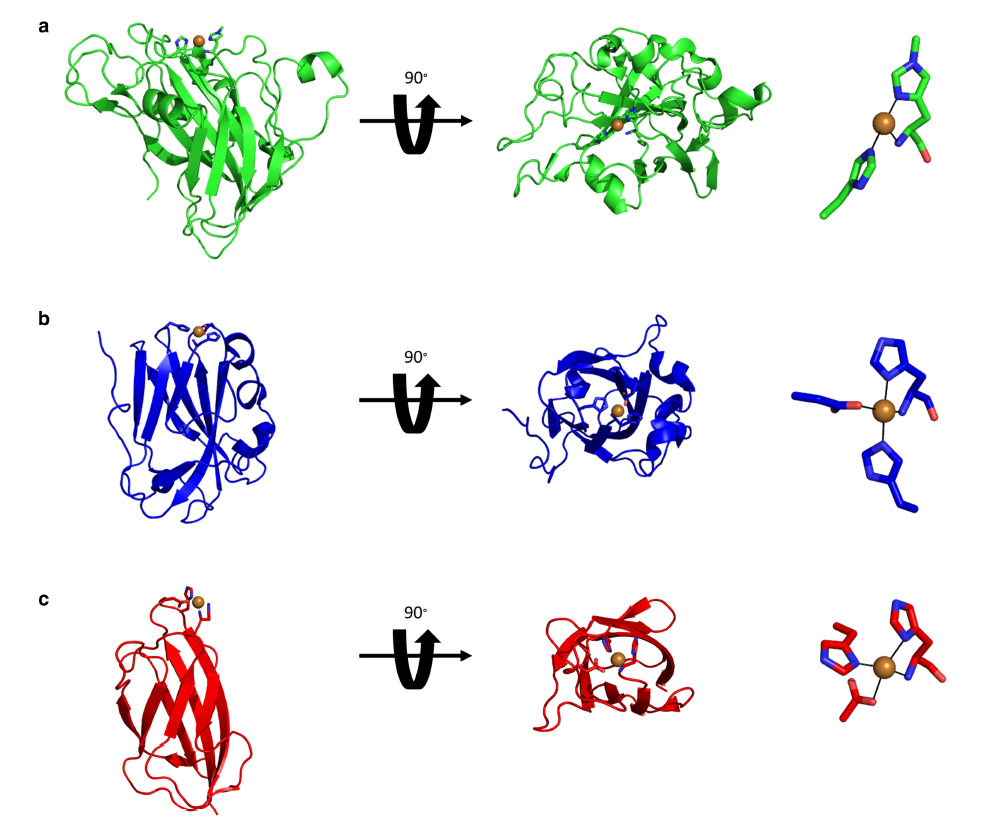
Johan Ø. Ipsen, Magnus Hallas-Møller, Søren Brander, Leila Lo Leggio, Katja S. Johansen; Lytic polysaccharide monooxygenases and other histidine-brace copper proteins: structure, oxygen activation and biotechnological applications. Biochem Soc Trans 26 February 2021; 49 (1): 531–540. doi: https://doi.org/10.1042/BST20201031
In the framework of our common project titled “Structural investigation of enzym-mimicking complexes used in biomass processing” Azza Hassoon (PhD) visited our Laboratory in May 2026. Biomass refers to the mass of organic matter produced biologically. In the biosphere’s material and energy cycle, dead organic matter is either decomposed or burned up (e.g. in forest fires). Another possible pathway is that it accumulates in deeper layers of the earth and is converted into oil and coal over centuries. The resulting biomass contains about 45-50% carbon, which has led to a surge in biomass for energy purposes following the energy crisis. However, it is important to bear in mind that biomass recycling is primarily a food or feed source, before it can be used as a feedstock or energy source for industry. Biomass can therefore be used as a substitute for fossil fuels, so that sustainable energy use can in principle be achieved. Lignocellulose is the most abundant biopolymer on Earth and the agro-industrial sector alone generates huge amounts of lignocellulosic waste. Despite its huge potential as a source of useful chemicals such as biofuels, the economic use of lignocellulose is hampered by the difficulty of depolymerisation. The resistance of lignocellulose is mainly due to the semi-crystalline structure of the cellulose, which is due to the extensive hydrogen bonds within the chain, embedded in the highly complex composite structure formed by lignin. In nature, the enzyme lytic polysaccharide monooxygenase (LPMO) plays a role in the degradation of lignocellulose, but its function has only been known since 2010. In this project, we are preparing and developing model compounds of this enzyme in order to better understand its function and thus to process biomass more efficiently.